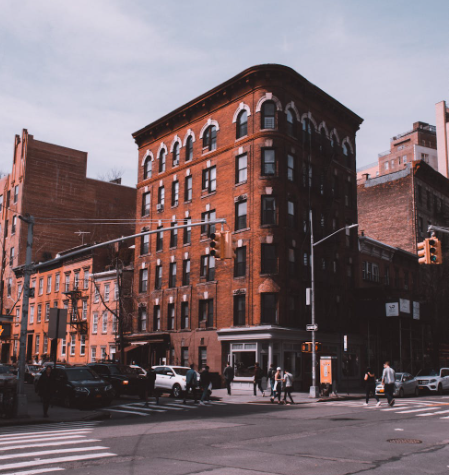
Boston, Massachusetts — one of the oldest and most influential cities in the United States — remains a dynamic metropolis in January 2026, blending deep historical roots with innovation, cultural vibrancy, and evolving civic life. From recent political developments to economic trends and preparations for landmark global events, Boston stands at a moment of robust activity and future-facing ambition.
Political Climate and Governance
The city’s political landscape is fresh from change and continuity. Mayor Michelle Wu was recently sworn in for a second term, a testament to her strong electoral support and forward-looking agenda for Boston’s future. Her inauguration at Symphony Hall underscored ambitious goals for the next four years, focusing on equity, sustainability, and inclusive growth for the city’s diverse residents.
Simultaneously, the Boston City Council experienced internal friction in electing its leadership — an episode that highlighted both the vibrancy and the challenges of navigating local governance. While Wu’s platform aims to unify and propel policy forward, the Council’s leadership struggle reflects the complex debates underlying city politics.
City Operations and Daily Life
As of January 7, 2026, the City of Boston reports normal city operations such as trash and recycling pickups, street cleaning, and parking meter enforcement continuing on schedule. City Hall remains open for public services, and residents can access a range of municipal resources online, including permitting, 311 services, and public announcements.
In the midst of winter, Boston’s streets and public life reflect the rhythm of a northern city balancing cold weather with bustling urban activities. The community deals with winter routines — from public transit usage to seasonal health priorities — while municipal agencies promote winter wellness programs for residents.
Economy and Growth
Boston’s economy continues to demonstrate resilience and growth, even as broader national economic forces — like inflation and interest rates — influence local markets. According to recent city economic data:
- Unemployment in Boston has remained low, with rates below the national average and job recovery fully reaching pre-pandemic levels.
- Consumer spending and tourism traffic are rebounding, with travel and hotel occupancy higher than the previous year, signaling a rebound in hospitality and service sectors.
- Residential and commercial real estate demand remains strong, with low retail vacancy rates and ongoing investment in housing and office projects across the city.
Boston’s economy draws its strength from its diversified base — finance, biotechnology, education, and technology sectors all play significant roles. The city and the greater metropolitan region serve as a national hub for life sciences, research, and higher education, with hundreds of companies and institutions anchored in innovation and discovery.
Tourism and Upcoming Global Events
Tourism is once again a key focus for the city. Having recovered from the pandemic slump, Boston’s hospitality industry is now looking toward a transformative year in 2026. A series of high-profile events — including World Cup matches hosted at Gillette Stadium and the 250th anniversary of the United States — are expected to bring significant crowds and economic momentum.
City planners, business leaders, and tourism officials are coordinating logistics and marketing strategies to ensure the city can accommodate and benefit from this surge in visitors. Estimates suggest more than $1 billion in economic impact as international visitors and Boston lovers alike converge on the city.
Culture and Heritage
Boston’s cultural life remains rich and active. The city is world-renowned for its museums, historic sites, and public programming:
- Museums and historic tours — from the Museum of Fine Arts to the Freedom Trail — draw locals and visitors year-round, offering a blend of art, history, and education.
- Public parks like Boston Common, the oldest public park in the United States, serve as year-round gathering places for recreation and reflection.
- City Hall Plaza hosts events across the seasons, from music festivals to cultural celebrations, reflecting the diverse rhythms of urban life.
Boston also has a vibrant performing arts scene, with theaters, music venues, and community spaces offering everything from classical performances to contemporary independent art.
Challenges: Urban Life in a Modern City
Despite its strengths, Boston faces persistent challenges that shape daily life and long-term planning.
Winter Weather
Boston’s winters are famously harsh, with frequent snow and cold temperatures that impact commuting, outdoor activities, and public transportation. During severe cold snaps, frozen car doors and home lockouts become more common, making access to reliable local locksmith services an important part of winter preparedness for many residents.
Traffic and Transportation
Boston’s layout — rooted in centuries of urban development — often creates difficult driving conditions and significant traffic congestion. The city routinely ranks among the most congested in the nation, with commuters spending considerable time navigating narrow streets and busy highways.
Competitive Job Market
While Boston’s economy is robust, the job market is highly competitive, especially in sectors like technology, education, and biotech. For workers, high qualifications are often matched by intense competition for desirable positions.
Public Safety and Community Well-Being
Boston remains one of the safest major cities in the country, with generally low rates of violent crime. However, like any large urban area, the city responds to occasional public safety concerns and investigations — for example, the recent discovery of a body near Castle Island in South Boston, which is under investigation by local authorities.
Public-health initiatives, including flu-related updates and wellness programs, continue to be important during winter months, helping residents stay informed and healthy.
Looking Forward: Boston’s Future in 2026
As Boston turns the page into 2026, the city’s identity as both a historical cornerstone and a progressive urban hub is particularly apparent. Local governance is setting priorities on equity, growth, and resilience. The economy is building momentum, and significant international events promise to spotlight Boston on the global stage.
From the colonial architecture that lines the Freedom Trail to the cutting-edge labs and tech campuses that shape tomorrow’s innovations, Boston is a living illustration of a city at once rooted and reaching outward embracing its past while energetically forging its future.
Content generated by ChatGPT