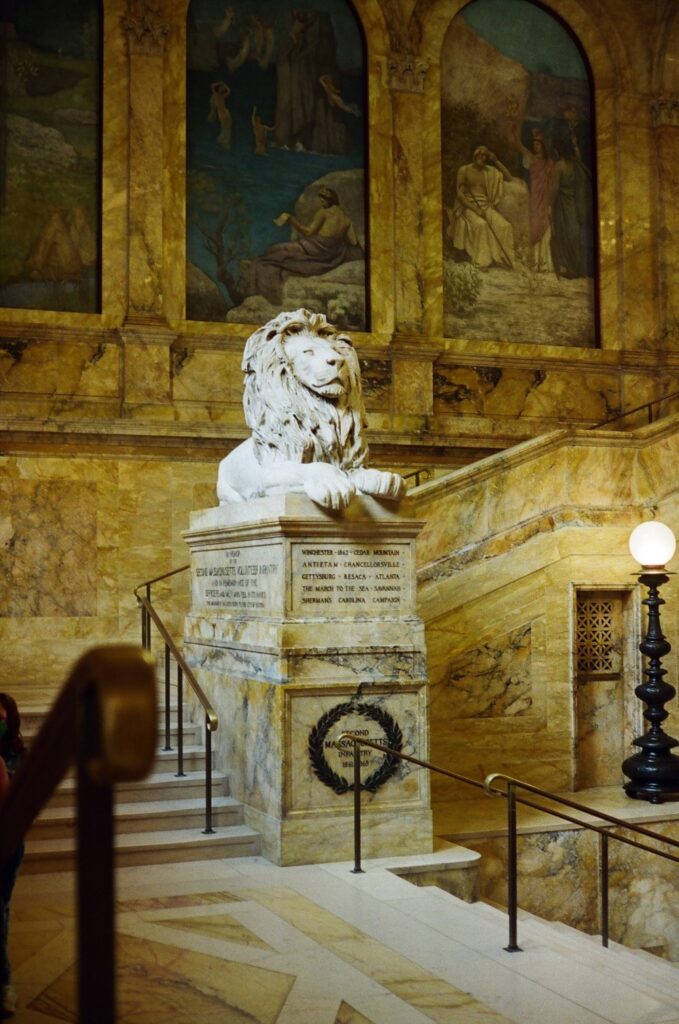
Credits to Sasha Prasastika
The Freedom Trail is a 2.5-mile-long trail in Boston, Massachusetts, that passes through 16 historically significant sites. The trail was established in 1951 and has become one of Boston’s most popular tourist attractions. It offers visitors a chance to explore the city’s rich history and learn about the events that led to the American Revolution.
The trail starts at the Boston Common, which is the oldest park in the United States. It was established in 1634 and was originally used for grazing cattle. Today, it is a popular spot for picnics, concerts, and other events.
From the Boston Common, the trail leads to the Massachusetts State House, which was built in 1798. The building is home to the state government and features a stunning gold dome that is one of the most recognizable landmarks in the city.
Next, the trail leads to the Park Street Church, which was built in 1809 and played an important role in the abolitionist movement. It was here that William Lloyd Garrison delivered his famous anti-slavery speech in 1829.
The next stop on the trail is the Granary Burying Ground, which is the final resting place of many famous Americans, including Paul Revere, John Hancock, and Samuel Adams. The cemetery was established in 1660 and is one of the oldest in the country.
From the Granary Burying Ground, the trail leads to the King’s Chapel, which was built in 1688 and is one of the oldest churches in Boston. The church features a beautiful pipe organ and stunning stained-glass windows.
The trail then leads to the Old Corner Bookstore, which was built in 1718 and was once a gathering place for Boston’s literary elite. Today, it is a popular spot for book lovers and history buffs.
From the Old Corner Bookstore, the trail leads to the Old South Meeting House, which was built in 1729 and played an important role in the American Revolution. It was here that Samuel Adams gave his famous speech in 1773, which led to the Boston Tea Party.
Next, the trail leads to the Old State House, which was built in 1713 and was once the seat of the Massachusetts government. It was here that the Declaration of Independence was read to the people of Boston in 1776.
The trail then leads to the site of the Boston Massacre, which occurred on March 5, 1770. The site is marked by a circle in the pavement and a plaque that commemorates the event.
From the site of the Boston Massacre, the trail leads to Faneuil Hall, which was built in 1742 and is now a popular marketplace and meeting place for locals and tourists alike. The building played an important role in the American Revolution and was the site of many important speeches and meetings.
The trail then leads to the Paul Revere House, which was built in 1680 and is one of the oldest surviving buildings in Boston. It was from this house that Paul Revere set out on his famous ride to warn the colonists that the British were coming.
From the Paul Revere House, the trail leads to the Old North Church, which was built in 1723 and is the oldest standing church in Boston. It was here that two lanterns were hung to signal that the British were coming by sea, which led to the famous ride of Paul Revere.
The trail then leads to the Copp’s Hill Burying Ground, which is the final resting place of many Bostonians who lived during the American Revolution. The cemetery offers stunning views of the city and the harbor.
From the Copp’s Hill Burying Ground, the trail leads to the USS Constitution Museum, which is dedicated to the history of the United States Navy. The final stop on the trail is the Bunker Hill Monument, which was built in 1843 to commemorate the Battle of Bunker Hill, one of the first major battles of the American Revolution.
In addition to the 16 official sites on the Freedom Trail, there are several other historic landmarks and attractions in the surrounding area that are worth exploring. These include the Boston Tea Party Ships and Museum, the Museum of Fine Arts, the John F. Kennedy Presidential Library and Museum, and the New England Aquarium.
Visitors to the Freedom Trail can choose to explore the trail on their own or take a guided tour. There are several companies that offer guided tours of the trail, including the Freedom Trail Foundation, which offers a range of tours led by knowledgeable guides.
The Freedom Trail is an important part of Boston’s history because it offers visitors a chance to explore the city’s rich past and learn about the events that led to the American Revolution. Boston played a pivotal role in the American Revolution, and the city is home to many historic sites that are linked to this important period in American history.
The trail takes visitors through 16 historic sites, including the Massachusetts State House, the Old North Church, and the USS Constitution Museum. These landmarks offer a glimpse into Boston’s past and allow visitors to see the places where many important events occurred.
The Freedom Trail is also significant because it helps to preserve Boston’s architectural heritage. Many of the buildings on the trail date back to the 1700s and 1800s, and they offer a stunning example of the city’s architectural style during this time period.
An Important Part of History Worth Experiencing
The Freedom Trail is a unique and important part of Boston’s history. It offers visitors a chance to explore the city’s rich past and learn about the events that shaped American history. Whether you’re a history buff or simply interested in exploring the city’s cultural heritage, the Freedom Trail is a must-visit attraction when in Boston. Note that the Freedom Trail is a great experience for children, as it offers a fun and educational way to learn about American history and explore the city of Boston.